Introduction
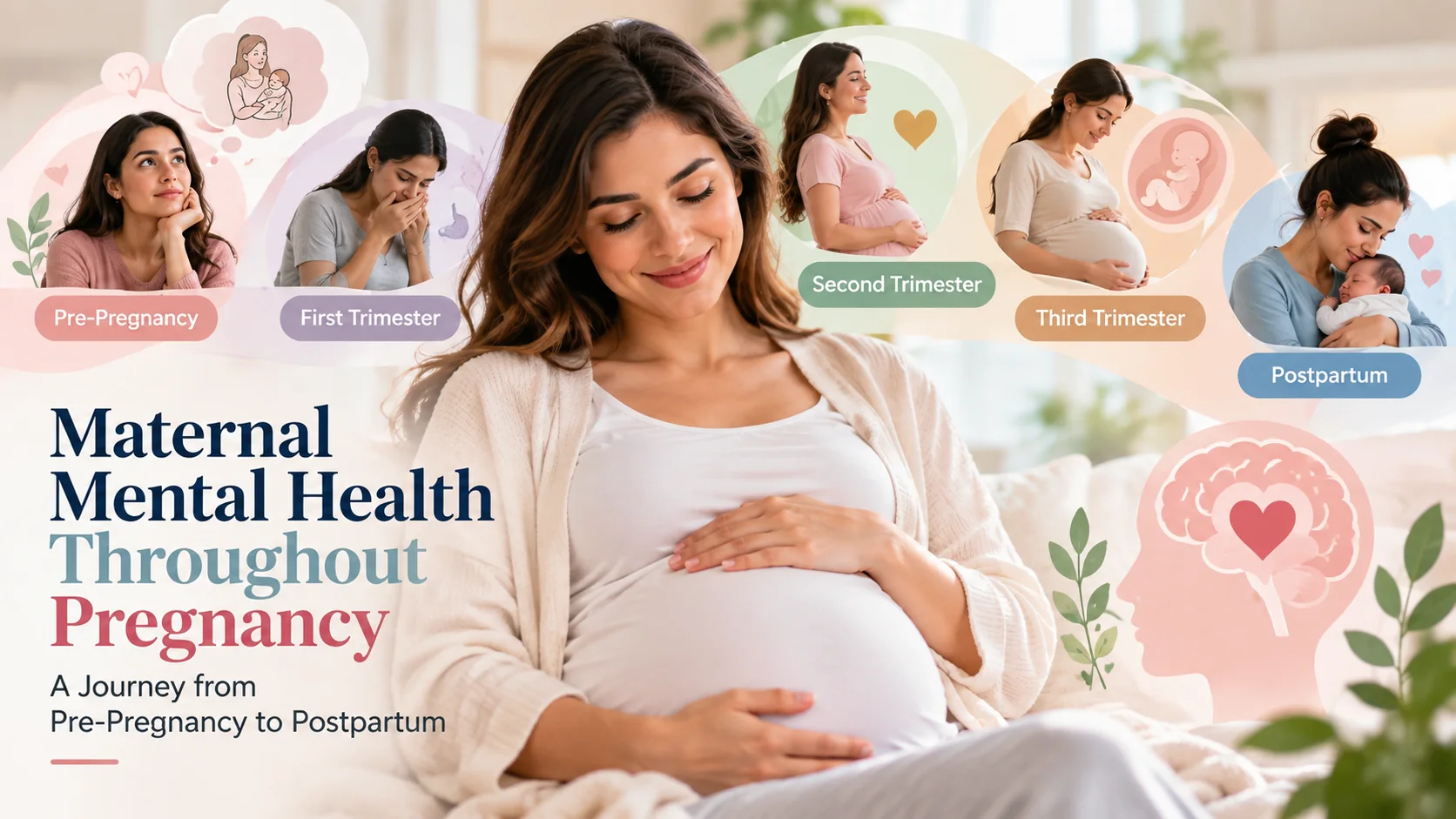
Recently, the case involving Lindsay has pushed maternal mental health back into public conversation, and with it, a wave of curiosity and confusion about what actually goes on in a woman's mind throughout pregnancy. This article takes a closer look at that journey: the mental and emotional state of women before pregnancy, throughout the trimesters, and in the months after birth.
Long before conception, many women are already carrying fear and anxiety about pregnancy itself, often shaped by stories of painful, difficult deliveries passed down from mothers, aunties, and friends. For some, this fear takes root even before marriage, quietly shaping how they think about motherhood years in advance. And once pregnancy actually begins, another layer sets in on top of that fear: the body itself starts to feel unfamiliar. Weight shifts, faces change shape, cravings appear out of nowhere for things a woman never used to want, and smells that never bothered her before suddenly become intolerable. Nausea and vomiting arrive with no clear trigger.
Alongside these physical shifts come emotional ones that feel just as unfamiliar. Some women struggle with body dysmorphia, no longer recognizing themselves in the mirror, or simply not liking what they see, while self-esteem dips and mood swings appear with no obvious cause: sudden anger, sudden sadness, sudden irritability, with no clear answer for "why am I feeling this way?" For many, it's the hormones doing exactly what hormones do, but knowing that doesn't always make the experience feel less disorienting. Then there are the medical surprises layered on top of it all: a woman with no prior history of hypertension suddenly diagnosed with it during pregnancy, someone who's never struggled with connection or mood suddenly finding both harder to manage. It all compounds, with physical change, emotional unpredictability, and unexpected diagnoses, into an experience that can feel like too much happening all at once.
As pregnancy progresses through the first, second, and third trimesters, this emotional landscape keeps shifting, driven by both circumstance and hormones. After birth, the story continues. This article breaks down the three stages of postpartum mental health (postpartum blues, postpartum depression, and postpartum psychosis), defining what each one actually looks like and how they differ. But this isn't just about naming what women go through. It's about equipping the people around them, including partners, family, and friends, with enough understanding to offer real support at every stage: before conception, through each trimester, and after delivery. Maternal mental health isn't the woman's burden to carry alone; it's something everyone in her circle has a role in.

What Is Maternal Mental Health?
Maternal mental health refers to a mother's overall emotional, social, and mental well-being, both during and after pregnancy.
According to WHO, worldwide about 10% of pregnant women and 13% of women who have just given birth experience a mental disorder, primarily depression. In developing countries this is even higher, at 15.6% during pregnancy and 19.8% after childbirth. If left unaddressed, severe maternal distress can be so overwhelming that it may lead to risk of self-harm or suicide. In addition, the affected mothers cannot function properly. As a result, the children's growth and development may be negatively affected as well. Maternal mental disorders are treatable. Effective interventions can be delivered even by well-trained non-specialist health providers.
Mental Health Before Pregnancy
The fear that comes before pregnancy
For many women, the emotional journey of pregnancy begins long before conception. Growing up, a girl hears that childbirth is the most painful thing a person can go through. As an adult, she scrolls through social media and finds story after story of complications, emergency deliveries, ectopic pregnancies and miscarriages. Even women who are not yet married or planning a baby can feel anxious about it.
Many women feel excitement and fear about pregnancy at the same time, and for some the fear is stronger. The complications people share online are real and often painful, but the most frightening stories spread the fastest, and few people share the quiet, uncomplicated ones. The result can be that a rare outcome starts to feel like the expected one.
When fear becomes a health concern
Nervousness about childbirth is normal. For some women it becomes severe enough to count as a clinical problem. Hofberg and Brockington (2000) described this as tokophobia, an unreasoning dread of childbirth. A systematic review later estimated that about 14% of pregnant women worldwide experience it (O'Connell et al., 2017).
This fear can also affect whether women get care. The Society of Obstetricians and Gynaecologists of Canada (SOGC, n.d.) notes that childbirth-related anxiety is a recognized barrier to prenatal care, with some women delaying or avoiding care because of fear of pregnancy, birth or an earlier bad experience with health services. Past trauma, such as childhood adversity, sexual violence, racism, medical trauma or a difficult earlier birth, can also reduce trust in the health system. Avoiding care can therefore reflect fear or past hurt and not a lack of interest in health (SOGC, n.d.).
Why mental health belongs in pre-pregnancy care
The SOGC (n.d.) describes preconception mental health care as preventive, meaning it should begin before a pregnancy is planned or recognized. It gives several reasons:
- Many pregnancies are unplanned. Waiting until pregnancy is confirmed can mean waiting too long.
- Mental health affects more than mood. Psychiatric conditions in the reproductive years can influence fertility, pregnancy outcomes, adjustment after birth, and how well a woman takes part in prenatal care.
- Early care allows stabilization. Treatment can be adjusted and relapse-prevention plans made before pregnancy adds pressure.
The SOGC (n.d.) recommends that mental health screening be routine for everyone of reproductive age, whatever their pregnancy plans, using validated tools such as the PHQ-9 for depression, the GAD-7 for anxiety and the PCL-5 for PTSD. Screening only helps when it comes with clear referral pathways and follow-up.
Mental health before pregnancy may matter for both parents
A common assumption is that only the mother's mental state matters. A long-running Australian study challenges this. Spry et al. (2020) followed 398 women and 267 men from adolescence into adulthood, assessing symptoms of common mental disorders (mainly anxiety and depression) repeatedly, and then again during their partners' or their own pregnancies. They found that men whose symptoms persisted from adolescence into young adulthood were more likely to have babies born preterm, even after adjusting for factors such as ethnicity, education, body weight and adolescent substance use. In women, the link was with symptoms during pregnancy: those with symptoms in the third trimester were more likely to have a preterm birth. The researchers found little evidence of a link between either parent's mental health and babies born small for their gestational age (Spry et al., 2020).
These results need careful reading, and the authors are cautious themselves. The sample was fairly small, the findings need to be repeated in larger and more diverse groups, and unmeasured factors such as early-life trauma, violence or hardship could play a role (Spry et al., 2020). The study shows an association, not proof of cause. It should not become a reason to blame or frighten anyone, least of all women who already fear pregnancy.
What the study does support is a wider view of preparation. Spry et al. (2020) argue for extending preconception care to include men as well as women, and for looking after mental health from adolescence, well before pregnancy.
Medication: stopping suddenly is not automatically safer
Many women worry that psychiatric medication is dangerous in pregnancy, and some stop it as soon as they start planning a baby. The SOGC (n.d.) cautions against this. Stopping suddenly raises the risk of relapse, especially in bipolar disorder and severe depression, and untreated illness can carry risks equal to or greater than those of some medications. Its approach is to weigh the risks of the medication against those of untreated illness, taking into account how severe the condition is, the person's relapse history, and her own values and goals.
Not all medications carry the same risk. Valproate, for example, is strongly linked to neural tube defects and developmental problems in children, so where alternatives exist it is generally avoided in people who could become pregnant. Making these changes before conception, with folic acid supplementation and specialist input, is much safer than making them after pregnancy is discovered (SOGC, n.d.). These decisions belong in a conversation with a doctor.
A pre-existing condition is not the end of the story
The National Alliance on Mental Illness (NAMI, n.d.) offers reassurance: with the right resources and professional care, a mental health condition does not have to prevent a healthy pregnancy or a positive start to parenthood. NAMI encourages women to talk openly with health care providers, loved ones and support communities, and to work on understanding their mental health history, getting treatment (including medication where needed), and building emotional resilience before pregnancy.
What helps
- Name the fear. Telling a nurse, midwife, doctor or trusted person that you are afraid is the first step. The SOGC (n.d.) recommends referral to mental health services when childbirth anxiety or trauma symptoms are present.
- Ask for respectful care. Trauma-informed care means explaining procedures beforehand, asking permission before examinations, and offering choices (SOGC, n.d.).
- Get balanced information. A midwife or public health nurse can explain what pregnancy and birth usually involve, what the warning signs are, and what support exists.
- Be selective about what you consume online. Personal stories are valid, but they are not the full picture.
- Plan for continuity. Mental health care works best when it continues from before conception through pregnancy and the postpartum period (SOGC, n.d.).
Being ready for pregnancy does not mean being fearless. It means having support for the fear, and the time to get that support is before the positive test.
Antepartum Mental Health
Antepartum simply means "before childbirth." It covers the whole span of pregnancy, from conception until labour begins, roughly 40 weeks (Iftikhar, 2020). Pregnancy is often described as a glowing, joyful season, but it is also a time of enormous change, and a woman's mind has to keep up with everything her body is going through.
What the body goes through
For a first-time mother, almost everything is unfamiliar. She gains weight, she is nauseated and vomiting, and she cannot fully explain what is happening to her own body. Many women quietly begin to ask, "Is this worth it?" Stretch marks appear, the face and nose may change, and some women struggle with how they now look and feel about themselves. Some of these changes do not fully reverse after delivery, which adds to the distress. Often a woman also watches her partner carry on as normal, unaffected by the changes, even though he shares in the pregnancy. That can breed anger and resentment. Add exhaustion, low energy and unexplained mood swings (Why am I so angry? Why am I hungry again?), and it is easy to see how mental health comes under pressure. Hormonal fluctuation plays a major role in all of this, and it deserves its own discussion later in this article.
When the ordinary becomes something more
Cleveland Clinic (2022) explains that shifting hormone levels can affect mood, and that many women also feel sad or anxious about bodily changes, physical discomfort, money worries and the new responsibilities ahead. For women at higher risk, these pressures can become overwhelming.
This is why antepartum depression is so easily missed. Tiredness, appetite changes, disturbed sleep and reduced libido are normal in pregnancy, but they are also symptoms of depression (Iftikhar, 2020). Researchers have noted that pregnancy experiences often mirror the symptoms of depression and anxiety, which makes it hard to measure the problem accurately (Witt et al., 2010). Warning signs that go beyond typical pregnancy include:
- Persistent sadness, hopelessness, guilt or emptiness (Cleveland Clinic, 2022)
- Dread, intense anxiety, or a feeling of not being prepared (Iftikhar, 2020)
- Loss of interest in things once enjoyed (Iftikhar, 2020)
- Little motivation to eat well, look after herself, or follow her antenatal care plan (Iftikhar, 2020)
- Trouble concentrating or making decisions (Cleveland Clinic, 2022)
- In severe cases, thoughts of self-harm (Iftikhar, 2020; Cleveland Clinic, 2022)
Cleveland Clinic (2022) also stresses that this is different from the "baby blues," which usually settle within two to three weeks, whereas prenatal depression does not go away without treatment.
How common is it?
Estimates vary depending on how the condition is defined and measured. Iftikhar (2020) reports that about 7 percent of pregnant people experience antepartum depression, and possibly as many as 15 percent in some countries. A nationally representative US study of 3,051 pregnant women found that 7.8 percent reported poor mental health during pregnancy, while the wider literature reports figures from 8.5 to 23 percent (Witt et al., 2010). When pregnancy and the postpartum period are combined, more than one in five women are affected by a perinatal mental health condition (Goulding et al., 2026).
Hormones and mood
Remember the mood swings, the sudden anger, the hunger that will not settle? Part of the explanation is hormonal. Pregnancy is described as one of the most hormonally dynamic periods in a woman's life (Essex County OB/GYN, n.d.). Oestrogen and progesterone levels rise until delivery, and these rises can affect the brain and, with it, a woman's mood, emotions and overall wellbeing (Essex County OB/GYN, n.d.; UNC Health, 2022). Chauhan and Potdar (2022) likewise describe pregnancy as a period of increased risk for anxiety, depression and self-harm, linked in part to changing hormone levels.
Cortisol, the body's stress hormone, also rises to support the baby, while the immune system adjusts to protect both mother and child. UNC Health (2022) explains that this change can contribute to symptoms of anxiety and depression.
Not every woman reacts in the same way. UNC Health psychiatrist Mary Kimmel notes that some women are sensitive to these hormonal shifts and to the way they interact with other systems in the body, which can lead to symptoms of depression or anxiety (UNC Health, 2022). This may be why two women with similar pregnancies can have very different emotional experiences. Hormones also do not act alone. They meet the psychological and practical pressures a woman is already carrying, which brings us back to risk.
Who is most at risk?
This links back to pre-pregnancy mental health. In the US study, women with a history of mental health problems had far higher odds of poor mental health in pregnancy: 31 percent of them were affected, compared with 5 percent of women with no such history (Witt et al., 2010). Other risk factors include:
- Low social support. Never being married, used as a proxy for less support, was linked to greater risk (Witt et al., 2010). A review also found that lack of social support is strongly associated with depression, anxiety and self-harm in pregnancy (Chauhan & Potdar, 2022).
- Poor physical health during pregnancy (Witt et al., 2010).
- Stressful circumstances, such as an unplanned pregnancy, infertility, a baby with a health problem, a twin pregnancy, or divorce, financial or work problems (Cleveland Clinic, 2022).
- Poor sleep and possibly poor nutrition, although more research is needed on the nutrition link (Iftikhar, 2020).
- Pre-existing anxiety. Anxiety conditions that were present before pregnancy can be amplified during it (UNC Health, 2022).
- Painful memories and past losses. Thinking about parenthood can stir up unpleasant childhood experiences, earlier miscarriages or infertility (UNC Health, 2022). Chauhan and Potdar (2022) also note that abortion and miscarriage can later lead to depression, anxiety and substance abuse.
- Worry about the baby and the future, including worry about caring for a newborn (UNC Health, 2022).
- Practical strain. Frequent antenatal visits can mean arranging childcare or time off work, and working mothers may worry about childcare when maternity leave ends (UNC Health, 2022). Chauhan and Potdar (2022) also list poverty and overcrowding as pressures on maternal mental health.
- Stopping psychiatric medication. Women with a history of mental illness who stop psychotropic drugs during pregnancy are especially vulnerable (Chauhan & Potdar, 2022).
- Insecure attachment. Women with avoidant or anxious-ambivalent attachment styles tended to bond less strongly with the baby before birth (Chauhan & Potdar, 2022).
Risk is even higher when pregnancy itself becomes complicated. Women hospitalised during pregnancy are about twice as likely as the general obstetric population to screen positive for depression or anxiety, with one in three affected (Goulding et al., 2026). In interviews with 23 women on long hospital stays, participants described emotional distress, worry about their families and finances, and a strong wish for someone to talk to (Goulding et al., 2026).
Why it matters
Antepartum depression does not affect the mother alone. Left untreated, it can make it harder for a woman to care for herself, and she may be more likely to make unhealthy choices such as smoking, drinking alcohol or avoiding exercise, all of which affect the baby (Cleveland Clinic, 2022). It has been linked to preeclampsia, low birth weight, preterm delivery, caesarean delivery and postpartum depression (Iftikhar, 2020; Chauhan & Potdar, 2022). Mental health conditions are also a leading contributor to pregnancy-related deaths in the United States, accounting for over 20 percent of them, and these deaths are considered preventable (Goulding et al., 2026).
The encouraging part is that it is treatable. Options include cognitive behavioural therapy, interpersonal therapy, talk therapy and, where appropriate, medication that is safe in pregnancy, alongside a supportive network, exercise, good nutrition and rest (Cleveland Clinic, 2022; Iftikhar, 2020).
If a woman had a psychological diagnosis before pregnancy, she should tell her obstetric provider early. Many treatment options are safe in pregnancy, and a medicine that has worked well for her may be one she can continue (UNC Health, 2022). Being honest on screening questionnaires also helps, because they exist to help a woman get the support she needs (UNC Health, 2022). This matters after delivery too. A study led by UNC School of Medicine researchers, as reported by UNC Health (2022), found that women who are depressed during pregnancy may be at risk of more severe postpartum depression than women whose symptoms begin after birth.
The American College of Obstetricians and Gynecologists recommends screening all pregnant women at least once during pregnancy (Iftikhar, 2020). Attention to mental health during pregnancy is relatively recent, because for a long time the focus was almost entirely on the period after birth (Chauhan & Potdar, 2022). Women should not have to wait until after delivery to be asked how they are really doing.
Postpartum Mental Health
Mental health problems around childbirth are common and often go unnoticed. Worldwide, about 13% of women who have just given birth experience a mental disorder, mainly depression, and the figure rises to about 19.8% in developing countries (World Health Organization [WHO], n.d.). A scoping study of 43 studies similarly reports that up to 20% of women experience mental health problems during this period (Ojomo et al., 2025). Postpartum mental illness is usually divided into three categories: postpartum blues, postpartum depression, and postpartum psychosis. These may be seen as a continuum, from the mildest and most common to the rarest and most severe (Massachusetts General Hospital [MGH] Center for Women's Mental Health, n.d.).
What causes these conditions?
Hormones play a role. Estrogen and progesterone fall sharply within 48 hours of delivery, and these hormones influence the brain systems that regulate mood (MGH Center for Women's Mental Health, n.d.). However, measured hormone levels do not consistently predict who develops postpartum mood problems, and researchers suggest that some women are simply more sensitive to these shifts (MGH Center for Women's Mental Health, n.d.). UNICEF's expert source likewise attributes the early emotional lows largely to falling progesterone, but stresses that hormones are unlikely to be the only cause (UNICEF, n.d.).
Life circumstances carry great weight. WHO identifies poverty, migration, extreme stress, exposure to violence, and low social support as factors that raise risk (WHO, n.d.). The scoping study by Ojomo et al. (2025) found that low family, partner, and social support were among the most consistent risk factors. Others include a history of depression, younger age, unemployment, low income, lower education, not living with a partner, unplanned pregnancy, intimate partner violence, a difficult or operative birth, and having a premature baby. A young mother facing the end of her marriage, with worries about coping alone, fits this pattern closely. Studies from Nigeria also show the burden: a hospital study in Enugu found high rates of postpartum anxiety and depression, with low social support linked to greater distress (Odinka et al., 2019, as cited in Ojomo et al., 2025).
1. Postpartum blues (baby blues)
What it is. The blues affect an estimated 50 to 85% of women, so commonly that they are better seen as a normal response to childbirth than as an illness (MGH Center for Women's Mental Health, n.d.). Women more often report mood swings, tearfulness, anxiety, and irritability than deep sadness (MGH Center for Women's Mental Health, n.d.). UNICEF adds that women may cry for no clear reason, struggle to sleep, and doubt their ability to care for the baby (UNICEF, n.d.).
Causes. Hormonal change is the main driver, alongside exhaustion, breastfeeding difficulties, and other postpartum complications (UNICEF, n.d.).
Timing and duration. Symptoms begin about two to three days after birth, tend to peak around days four to five, and settle by themselves within about two weeks (MGH Center for Women's Mental Health, n.d.; UNICEF, n.d.).
Effects. Although unsettling, the blues do not usually stop a woman from functioning, and no specific treatment is needed beyond good support from family and friends (MGH Center for Women's Mental Health, n.d.; UNICEF, n.d.). The concern is that the blues sometimes signal a more serious mood disorder, especially in women with a history of depression. Symptoms that last beyond two weeks should be evaluated (MGH Center for Women's Mental Health, n.d.).
2. Postpartum depression (PPD)
What it is. PPD is different from the blues. It is not just feeling sad, and intense anxiety is a common feature (UNICEF, n.d.). Clinically, it is indistinguishable from depression at other times in a woman's life (MGH Center for Women's Mental Health, n.d.). Symptoms include low mood, tearfulness, loss of interest, guilt, worthlessness, fatigue, disturbed sleep, appetite changes, poor concentration, and sometimes suicidal thoughts (MGH Center for Women's Mental Health, n.d.). Some mothers feel detached from their baby and doubt their ability to care for them. Some are unable to sleep even when the baby is asleep because their mind is racing (UNICEF, n.d.).
Some mothers also experience frightening, intrusive thoughts of harming the baby. UNICEF stresses that having such thoughts does not mean the mother will act on them, and that talking to someone early helps her get support sooner (UNICEF, n.d.). Postpartum obsessive-compulsive symptoms of this kind are also documented by MGH (MGH Center for Women's Mental Health, n.d.).
Causes. Beyond the hormonal shift, the most consistent findings are marital dissatisfaction, inadequate social support, and stressful life events during pregnancy or near delivery. The condition probably reflects an underlying vulnerability, and women with a history of depression or bipolar disorder are at higher risk (MGH Center for Women's Mental Health, n.d.). Women with a prior history of depression were about 2.6 times more likely to experience PPD (Gheorghe et al., 2021, as cited in Ojomo et al., 2025). UNICEF also lists past abuse, difficult childhood experiences, low self-esteem, and stressful living conditions (UNICEF, n.d.).
Timing and duration. PPD typically emerges within the first two to three months but can appear at any point in the first year (MGH Center for Women's Mental Health, n.d.; Ojomo et al., 2025; UNICEF, n.d.). Unlike the blues, it does not resolve on its own within two weeks. UNICEF advises seeking help if symptoms strengthen or last beyond two weeks (UNICEF, n.d.). In one Spanish cohort, the prevalence of major depression stayed relatively stable across the first year after birth (Míguez & Vázquez, 2023, as cited in Ojomo et al., 2025).
Effects. A depressed mother may fail to eat, bathe, or care for herself adequately, which raises the risk of ill health and, at worst, suicide (WHO, n.d.). Prolonged or severe illness can also hamper mother-infant attachment, breastfeeding, and infant care (WHO, n.d.). A large Japanese cohort linked PPD at one and six months to bonding difficulties at one year (Kasamatsu et al., 2020, as cited in Ojomo et al., 2025). The good news is that treating maternal depression improves infant growth and development and lowers the likelihood of diarrhoea and malnutrition in the child (WHO, n.d.).
Treatment. PPD is treatable. Effective care can be delivered even by well-trained non-specialist health workers (WHO, n.d.). Options include talk therapies such as cognitive behavioural therapy and interpersonal therapy, and antidepressants where needed, and the decision about medication and breastfeeding should be made with a healthcare provider (MGH Center for Women's Mental Health, n.d.; UNICEF, n.d.).
3. Postpartum psychosis
What it is. This is the most severe form of postpartum psychiatric illness, but also the rarest, affecting roughly 1 to 2 in every 1,000 women after childbirth (MGH Center for Women's Mental Health, n.d.). Early signs are restlessness, irritability, and insomnia. These can progress to rapidly shifting moods, confusion, disorganized behaviour, delusions (often about the infant), and hallucinations, sometimes voices telling the mother to harm herself or the baby (MGH Center for Women's Mental Health, n.d.).
Causes. In most cases it represents an episode of bipolar illness, not simply untreated depression (MGH Center for Women's Mental Health, n.d.). Women with a history of bipolar disorder or earlier postpartum psychosis are therefore at particular risk.
Timing. Onset can occur as early as 48 to 72 hours after delivery, and most cases begin within the first two postpartum weeks (MGH Center for Women's Mental Health, n.d.). One study reports that onset is five times more likely in the first three months (Meltzer-Brody et al., 2017, as cited in Ojomo et al., 2025).
Effects. The risk of suicide and of harm to the infant is significant (MGH Center for Women's Mental Health, n.d.; WHO, n.d.). Postpartum psychosis is treated as a psychiatric emergency, usually requiring hospital care, antipsychotic medication, and a mood stabiliser (MGH Center for Women's Mental Health, n.d.). Because it is rare, Ojomo et al. (2025) stress that its seriousness still warrants specific attention from health workers.
At a glance
|
Postpartum blues |
Postpartum depression |
Postpartum psychosis |
| How common |
50–85% of mothers |
10–15% develop more significant depression or anxiety |
About 1–2 per 1,000 |
| Onset |
Days 2–5 |
Usually weeks to months; up to 1 year |
Often within the first 2 weeks |
| Duration |
Resolves within about 2 weeks |
Persists without treatment |
Emergency; needs urgent care |
| Main need |
Rest and support |
Therapy, medication, support |
Immediate hospital care |
(MGH Center for Women's Mental Health, n.d.; Ojomo et al., 2025; UNICEF, n.d.; WHO, n.d.)
Conclusion
Maternal mental health does not begin with a positive pregnancy test, and it does not end at delivery. This article has followed one continuous journey. Before pregnancy, fear shaped by other people's stories can grow into tokophobia, which affects about 14% of pregnant women worldwide (O'Connell et al., 2017) and can lead some women to delay or avoid care (SOGC, n.d.). During pregnancy, hormonal shifts, an unfamiliar body and practical worries meet each other, and because normal pregnancy symptoms can look like depression, real illness is easily missed (Iftikhar, 2020; Witt et al., 2010). After birth, the picture runs from the very common and self-limiting baby blues, through postpartum depression that needs treatment, to postpartum psychosis, which is rare but an emergency (MGH Center for Women's Mental Health, n.d.).
A few threads run through all three stages. First, history matters. Women with a history of mental health problems were far more likely to struggle in pregnancy (Witt et al., 2010), and depression during pregnancy may raise the risk of more severe postpartum depression (UNC Health, 2022). This is why care that continues from before conception through the postpartum period makes sense (SOGC, n.d.). Second, support matters. Low social support appears again and again as a risk factor, whether in pregnancy or after birth (Chauhan & Potdar, 2022; Ojomo et al., 2025; WHO, n.d.). Third, these conditions are treatable, and effective care can be delivered even by well-trained non-specialist health workers (WHO, n.d.).
That brings us back to the people around her. Partners, family and friends can make a real difference by knowing what to look for and how to respond:
- Listen when she names her fear, and encourage her to tell a health professional, because early conversations open the door to support (SOGC, n.d.).
- Remember that a partner's mental health matters too, since preparation for parenthood is not the mother's alone (Spry et al., 2020).
- Take the practical strain seriously, such as childcare, time off work and money worries, because these are recognized pressures on mental health (UNC Health, 2022; Chauhan & Potdar, 2022).
- Know the difference between the blues, which settle within about two weeks, and symptoms that last longer and need evaluation (MGH Center for Women's Mental Health, n.d.; UNICEF, n.d.).
- Understand that frightening thoughts about harming the baby do not mean a mother will act on them, and that talking to someone early helps (UNICEF, n.d.).
- Treat confusion, delusions, hallucinations or talk of harming herself or the baby as an emergency and seek urgent hospital care (MGH Center for Women's Mental Health, n.d.).
Being ready for motherhood does not mean being fearless. It means having support at every stage, and that support is the responsibility of everyone in her circle.
Areas for Further Research
The evidence reviewed here answers many questions, but it also points to gaps. These are the areas where deeper research would help most.
- How stories and social media shape fear of childbirth. This article describes how frightening stories spread faster than uncomplicated ones. That observation reflects common experience rather than a finding from the sources cited, so studies are needed on how exposure to such stories relates to tokophobia and to delayed care, especially among young women who are not yet pregnant.
- Evidence from Nigeria and other developing countries. WHO reports higher rates in developing countries (15.6% during pregnancy and 19.8% after birth), yet most of the studies cited here come from the United States, Canada and Australia, with only a hospital study in Enugu reflecting the Nigerian context (Odinka et al., 2019, as cited in Ojomo et al., 2025). We need local data on prevalence, risk factors, and how family and cultural expectations shape a woman's experience.
- Fathers' and partners' mental health. The Australian study linking fathers' persistent symptoms to preterm birth had a fairly small sample, and its authors call for repetition in larger and more diverse groups (Spry et al., 2020). Research is needed to confirm the findings and to test whether including men in preconception care improves outcomes.
- Screening and measuring depression in pregnancy. Because pregnancy symptoms mirror depression and anxiety, accurate measurement is difficult (Witt et al., 2010). Further work could test which screening tools perform best in pregnancy and how to link a positive screen to a real referral pathway, which the SOGC (n.d.) says screening depends on.
- Why some women are more sensitive to hormonal change. Measured hormone levels do not consistently predict who develops mood problems (MGH Center for Women's Mental Health, n.d.), and some women appear more sensitive than others (UNC Health, 2022). Understanding this sensitivity could help identify at-risk women earlier. The link between nutrition and antepartum depression also needs more research (Iftikhar, 2020).
- Continuity of care from pre-pregnancy to postpartum. Antepartum depression may predict more severe postpartum depression (UNC Health, 2022), and mental health care works best when it is continuous (SOGC, n.d.). Studies could test whether early identification and follow-through across all stages actually prevent postpartum illness.
- Care for women with complicated pregnancies. About one in three women hospitalised during pregnancy screened positive for depression or anxiety, and the qualitative study behind this was small, at 23 women (Goulding et al., 2026). Larger studies and tested support programmes for these women are needed.
- Delivering care through non-specialist providers. WHO states that trained non-specialist providers can deliver effective interventions (WHO, n.d.). Research is needed on how nurses, midwives and public health nurses can best be trained and supported to screen and treat, and how this can work in settings with few mental health specialists.
- Postpartum psychosis in low-resource settings. Ojomo et al. (2025) stress that its rarity does not reduce the need for specific attention from health workers. Little is said in these sources about how women in low-resource settings reach the urgent hospital care that psychosis requires, which is a gap worth studying.
- Medication decisions before and during pregnancy. The SOGC (n.d.) advises weighing the risks of medication against the risks of untreated illness, and that stopping suddenly can raise the risk of relapse. Research on how women make these choices, and how clinicians can counsel them well, would help prevent avoidable relapse.
References

✍️ About the Author
Kehinde Alonge
Registered Nurse, Registered Midwife, Registered Public Health Nurse (RN, RM, RPHN) | Health/Wellness Content Writer & Ghostwriter
Credentials: BNSC, RN, RM, RPHN · Country: Nigeria
Kehinde Alonge is a Registered Nurse, Registered Midwife, and Registered Public Health Nurse (RN, RM, RPHN) based in Nigeria. She is also a Health & Wellness Content Writer and Ghostwriter who turns complex health topics into clear, practical, and engaging content for everyday readers. She writes across a wide range of health and wellness topics, with particular expertise in women's health, maternal health, and public health. Her work is grounded in credible sources and clinical expertise.
Medical Disclaimer: This article is for informational and educational purposes only and does not constitute medical advice, diagnosis, or treatment. If you are experiencing symptoms of depression, anxiety, or thoughts of harming yourself or your baby, contact a qualified healthcare provider or your local emergency services right away.
Further reading from health authorities
General topic pages from authoritative organizations for further reading. They are suggested resources and are not a line-by-line citation of the statements in this article. Always confirm personal medical decisions with a healthcare professional.